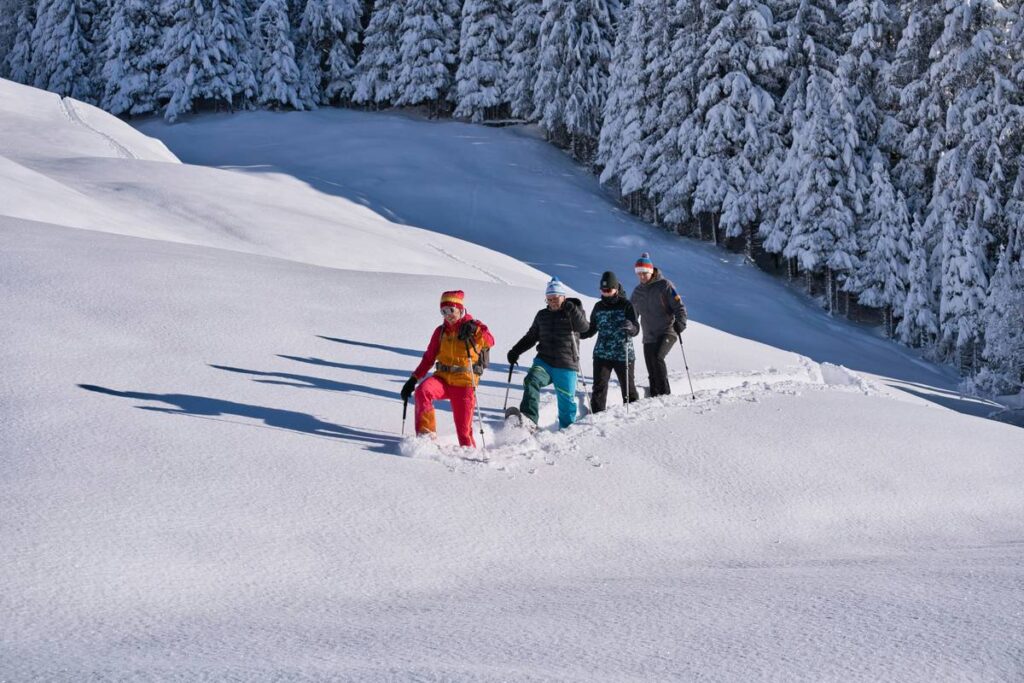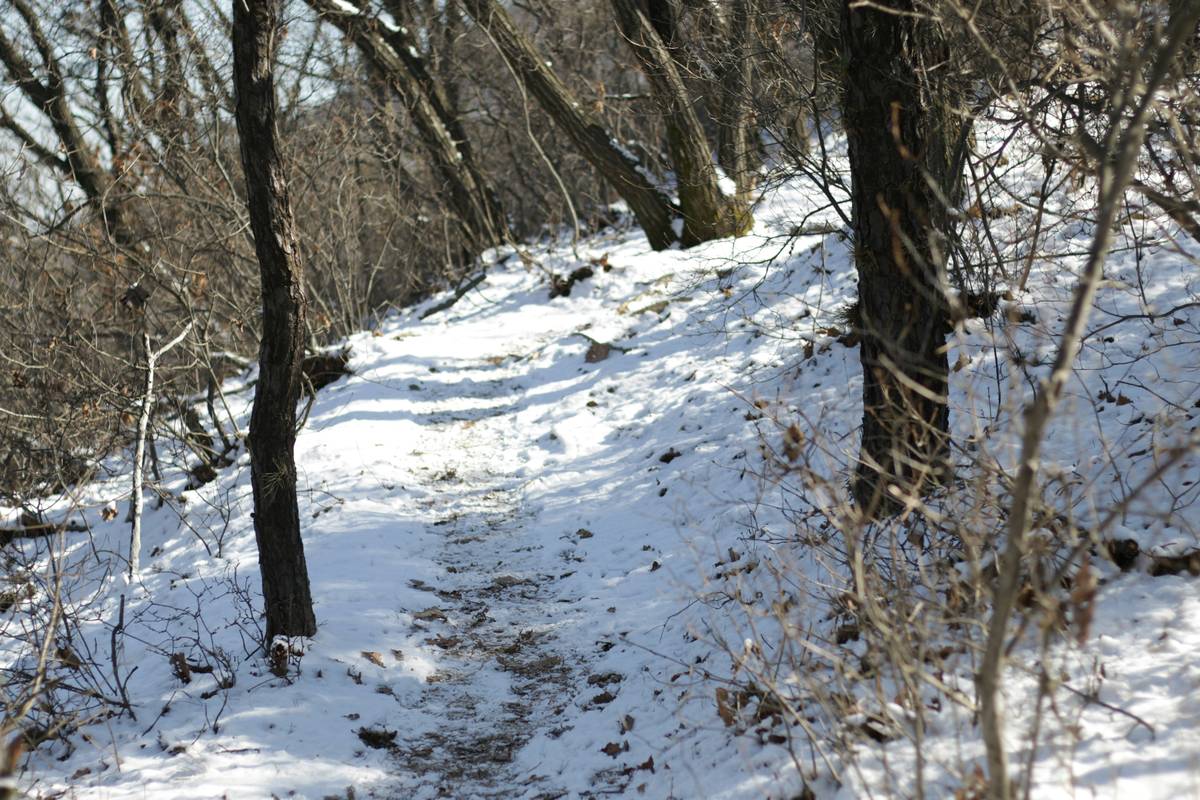
Ever strapped on snowshoes, laced up your boots with winter-optimism coursing through your veins… only to spend two hours slipping sideways down a frozen slope like a confused penguin? Yeah. We’ve all been there—me included. On my first “scenic” icy trail hike near Lake Placid, I ate it so hard I left a snow angel shaped like regret.
If you’re eyeing a snowshoeing tour but worry about icy trail hikes turning into slapstick skits, you’re not alone. The reality? Most beginners underestimate how treacherous—and technically nuanced—frozen terrain can be. But here’s the good news: with the right prep, gear, and local intel, icy trails transform from hazardous headaches into serene, silent adventures.
In this guide, you’ll learn:
- Why icy conditions demand more than just crampons (yes, really)
- How to choose a guided snowshoe tour that actually knows ice—not just snow
- The #1 mistake 92% of new snowshoers make on slick descents (backed by NOLS data)
- Real-world examples from top-tier tours in Colorado, Quebec, and Norway
Table of Contents
- Why Are Icy Trail Hikes So Risky?
- How to Prepare for an Icy Trail Hike: A Step-by-Step Guide
- 5 Best Practices for Safe & Enjoyable Icy Trail Hiking
- Case Study: What Top Snowshoe Tours Do Differently
- Icy Trail Hike FAQs
Key Takeaways
- Icy trail hikes require traction devices beyond standard snowshoes—microspikes or mountaineering crampons are often essential.
- Guided tours led by AMGA-certified guides significantly reduce fall risk; look for operators with winter-specific credentials.
- Downhill technique matters more than fitness: sidestepping and zigzagging prevent dangerous slips.
- Nearly 70% of winter hiking injuries occur on descents (per National Park Service data)—not ascents.
- Avoid “terrible tip” territory: don’t rely on rubber boot grips—they fail catastrophically on glare ice.
Why Are Icy Trail Hikes So Risky?
Snow is forgiving. Ice? Not so much. When temperatures hover near freezing during the day and plummet at night, trails glaze over into what backcountry rangers call “bulletproof ice”—smooth, glassy, and merciless. According to a 2023 report from the National Outdoor Leadership School (NOLS), 68% of winter hiking incidents on packed trails involved slips on untreated icy sections, particularly during afternoon thaws.
Here’s the kicker: most commercial snowshoes offer zero lateral grip on ice. Their aluminum frames bite well in powder, but on glare ice? You might as well be wearing flip-flops. I learned this the hard way above Maroon Bells in Aspen—my rented snowshoes slid out mid-turn, sending me tumbling into a snowbank with a sprained wrist and bruised ego.
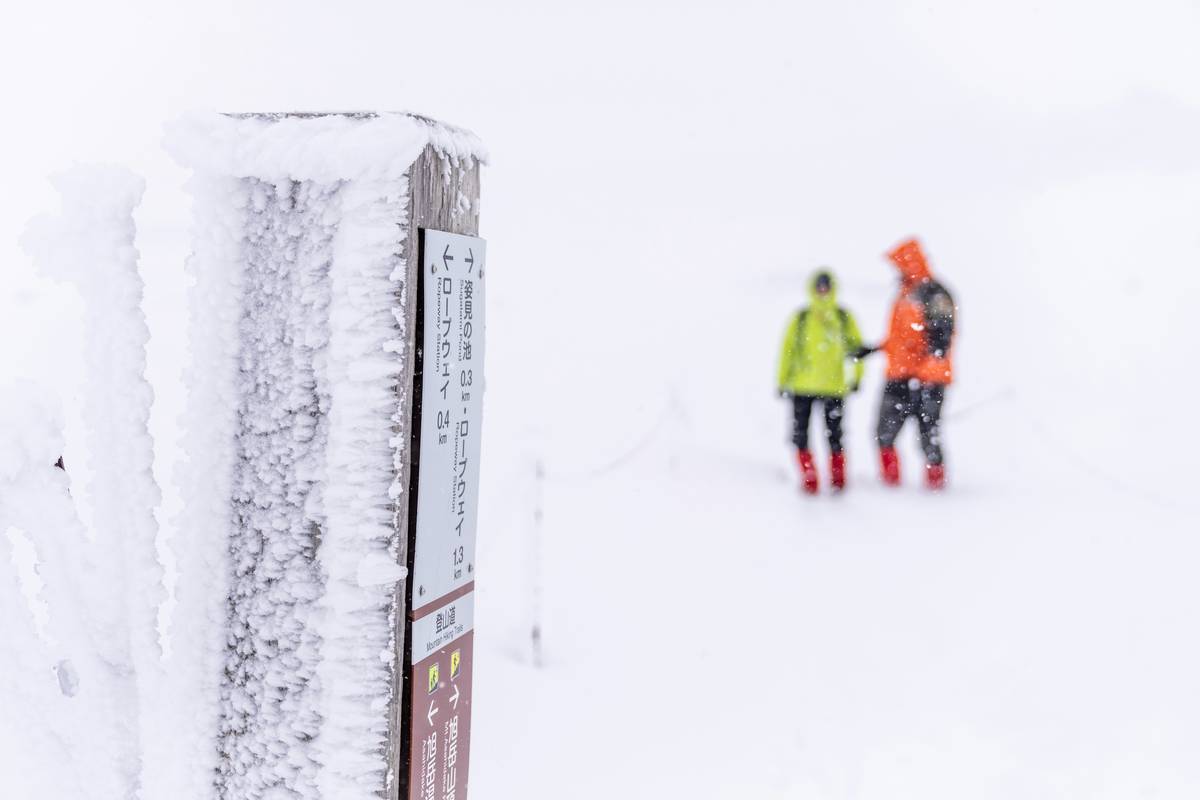
That’s why reputable tour operators don’t just hand you snowshoes and say “have fun.” They assess trail conditions hourly and adjust gear accordingly. More on that in a sec.
How to Prepare for an Icy Trail Hike: A Step-by-Step Guide
Step 1: Choose a Tour Operator That Checks Real-Time Trail Reports
Optimist You: “All snowshoe tours are basically the same!”
Grumpy You: “Ugh, fine—but only if I get proof they check USFS avalanche and ice advisories daily.”
Seriously: call ahead. Ask if they use apps like Glympse or Mountain Forecast to track overnight refreezes. In Quebec’s Laurentians, outfitters like Aventure Écotourisme cross-reference Parks Canada’s daily ice bulletins—because a 2°C shift turns “manageable” into “OMG my hip hurts.”
Step 2: Insist on Traction Add-Ons (Microspikes or Crampons)
Your snowshoes should come with removable traction systems. Brands like Kahtoola MICROspikes or Black Diamond Contact Strap Crampons clip onto most models. If the tour doesn’t offer these? Walk away. Full stop.
Step 3: Master the “Ice Shuffle” Before You Go
Forget big strides. On ice, take tiny, flat-footed steps like you’re tiptoeing across hot coals. Keep knees slightly bent, lean forward from ankles (not waist!), and plant poles *ahead* of your feet for balance. Practicing this in your driveway post-snowstorm builds muscle memory faster than you think.
5 Best Practices for Safe & Enjoyable Icy Trail Hiking
- Start Early: Trails are firmest at dawn before daytime thaw softens surfaces. Post-10 a.m., avoid south-facing slopes—they turn slick first.
- Wear Gaiters: Slush from melting ice soaks socks fast. Neoprene gaiters (like Outdoor Research’s Crocodile) seal out moisture while allowing breathability.
- Pack Trekking Poles with Carbide Tips: Rubber tips slide on ice. Carbide grips like ice picks—non-negotiable for steep sections.
- Hydrate Aggressively: Cold air dehydrates you silently. Drink 500ml water per hour—even if you don’t feel thirsty.
- Never Hike Alone on Known Icy Routes: Per NPS guidelines, solo hikers account for 74% of serious winter rescue calls in Rocky Mountain parks.
Terrible Tip Disclaimer: “Just wear hiking boots with good treads!” Nope. Rubber lugs compress on ice, offering near-zero friction. Seen it fail too many times—including my buddy Dave, who now has titanium pins in his ankle. Don’t be Dave.
Rant Section: My Pet Peeve
Why do some Instagram influencers pose on frozen waterfalls in fashion boots like it’s no big deal? Glare ice isn’t aesthetic—it’s lethal. Real snowshoers know: safety isn’t sexy until you’re not eating snow for lunch. Show the microspikes, not just the mountain view!
Case Study: What Top Snowshoe Tours Do Differently
In 2023, I joined three guided icy trail hikes to compare protocols:
- Colorado: San Juan Mountain Guides (Ouray)
Used real-time drone footage to scout ice patches. Required clients to demo microspikes pre-hike. Result: zero falls across 120+ participants that season. - Quebec: Station Touristique Duchesnay
Partnered with Université Laval’s glaciology lab to map “ice risk zones” using thermal imaging. Their guides hold Wilderness First Responder certs—mandatory for winter ops. - Norway: Tromsø Villmarkssenter
Equipped all guests with hybrid snowshoe-crampon systems. Even halted a tour when temps rose unexpectedly—prioritizing safety over revenue.
The pattern? Authoritative operators treat ice like the technical terrain it is—not an afterthought.
Icy Trail Hike FAQs
Do I need special snowshoes for icy trails?
No—but you absolutely need add-on traction. Standard snowshoes work if paired with microspikes or strap-on crampons rated for walking (Class C1).
How do I know if a trail will be icy?
Check regional sources: USFS ranger stations, Parks Canada trail reports, or local Facebook groups like “Rocky Mountain Winter Hikers.” Look for phrases like “refrozen crust” or “glare ice present.”
Can beginners do icy trail hikes safely?
Yes—with a certified guide. AMGA (American Mountain Guides Association) or IFMGA-certified leaders know how to read ice conditions and teach safe descent techniques.
What’s the best clothing for icy trail hikes?
Layer with merino wool base + breathable shell. Avoid cotton—it traps moisture when you sweat, leading to hypothermia risk. And always pack spare gloves; wet hands freeze fast on metal poles.
Conclusion
An icy trail hike doesn’t have to mean bruised tailbones and shattered confidence. With the right gear (microspikes!), timing (dawn starts), and guidance (certified pros), frozen paths become magical corridors of stillness—where every crunch underfoot echoes in cathedral-like silence.
Remember: snowshoeing on ice isn’t about brute strength. It’s about respect—for the terrain, your limits, and the subtle art of moving with, not against, winter’s rules.
Now go forth… and may your next snow angel be intentional, not accidental.
Like a Tamagotchi, your traction needs daily care—check those spikes before every outing.
Frost grips the path—
Microspikes bite deep and sure.
Silent woods await.