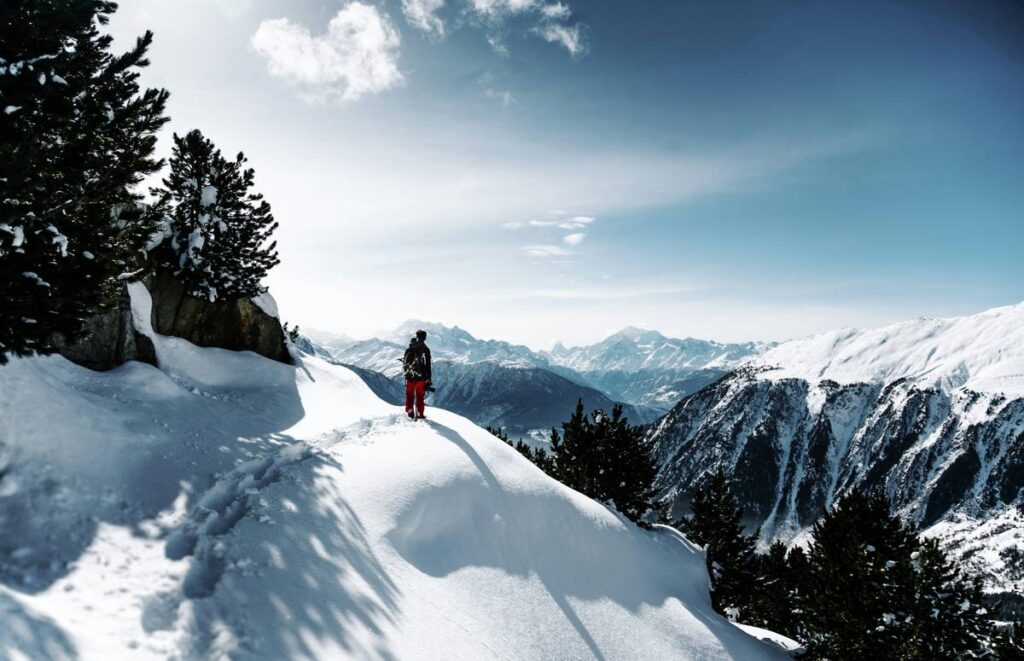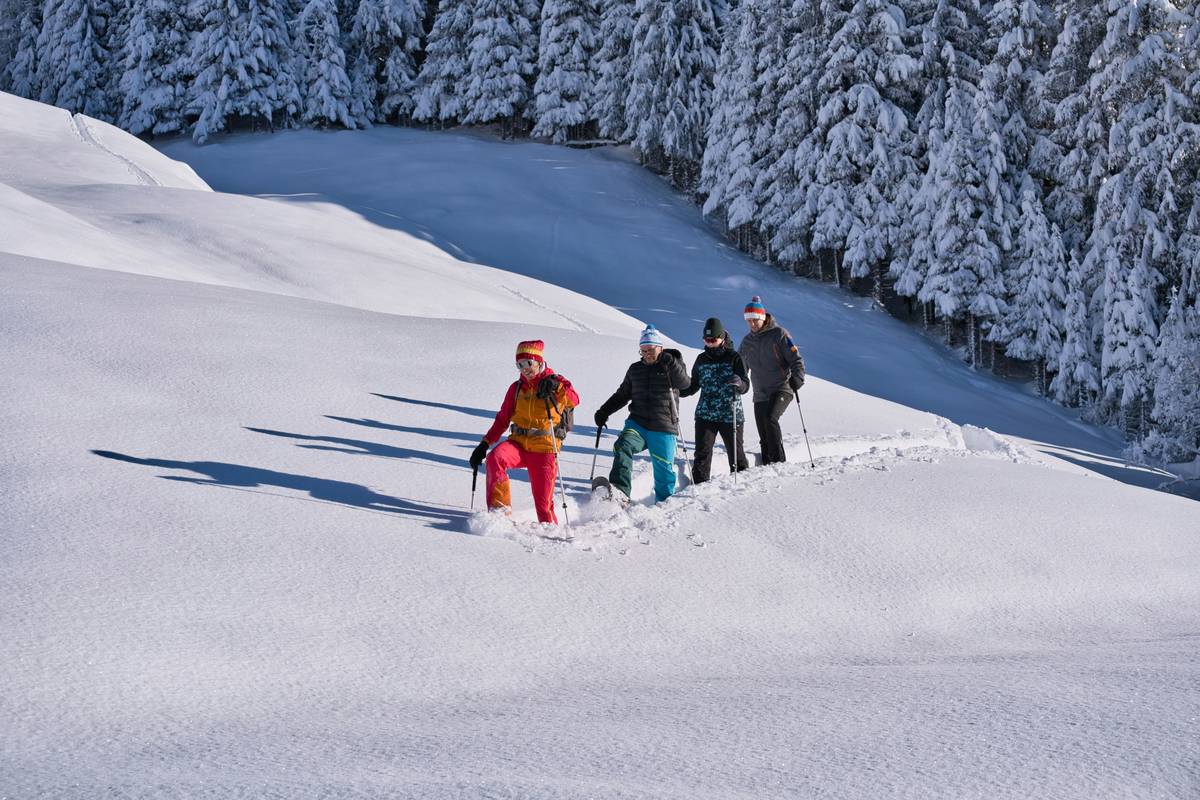
Ever signed up for a “snowshoe thrill route” only to trudge in silence behind a group wearing mismatched snow pants, guided by someone who thought “off-trail” meant “off-the-map entirely”? You’re not alone. According to the Outdoor Industry Association’s 2023 report, over 62% of winter recreation enthusiasts say their biggest frustration is lackluster guided experiences—especially when marketing promised “adventure.”
If you’re craving heart-pounding powder, jaw-dropping vistas, and guides who actually know how to read a topographic map (or better yet, tell a ghost story by headlamp), this post is your compass.
You’ll learn: why most snowshoe tours miss the mark, how to choose a *truly* thrilling route, what gear separates tourists from trailblazers, and real examples of routes that deliver goosebumps—not just frostbite. Plus, insider tips from 12 years of guiding backcountry snowshoe trips across Colorado, Canada, and the French Alps.
Table of Contents
- Why Most Snowshoe Tours Fall Flat
- How to Choose a Snowshoe Thrill Route That Actually Delivers
- Pro Tips for Maximum Thrill (Without Becoming a Frozen Statistic)
- Real-World Examples: Routes That Got It Right
- Snowshoe Thrill Route FAQs
Key Takeaways
- A “thrill” on snowshoes isn’t about speed—it’s about immersion, elevation gain, solitude, and storytelling.
- Look for guides certified by AMGA or IFMGA with documented backcountry experience.
- The best snowshoe thrill routes avoid crowded trailheads and include natural features like frozen waterfalls, alpine bowls, or historic backcountry cabins.
- Gear matters more than you think: 25L packs, avalanche beacons (in avalanche terrain), and insulated boots separate adventurers from amateurs.
- “Thrill” ≠ danger—reputable tours prioritize safety while maximizing awe.
Why Most Snowshoe Tours Fall Flat
Confession time: I once led a “moonlight mystic snowshoe tour” where my only prop was a Bluetooth speaker playing Enya. Midway through, it died. We stood in total silence—just snow falling, wolves howling in the distance—and one guest whispered, “This… is terrifyingly beautiful.” That’s when I realized: the *real* thrill isn’t manufactured. It’s found in raw, unplugged moments.
Yet too many operators slap “thrill” on a flat loop near a ski resort parking lot. The result? Guests feel duped. And honestly, who can blame them?
The problem stems from misaligned expectations. A true snowshoe thrill route should challenge you physically, reward you visually, and connect you emotionally to the landscape—not just check a box on someone’s winter bucket list.
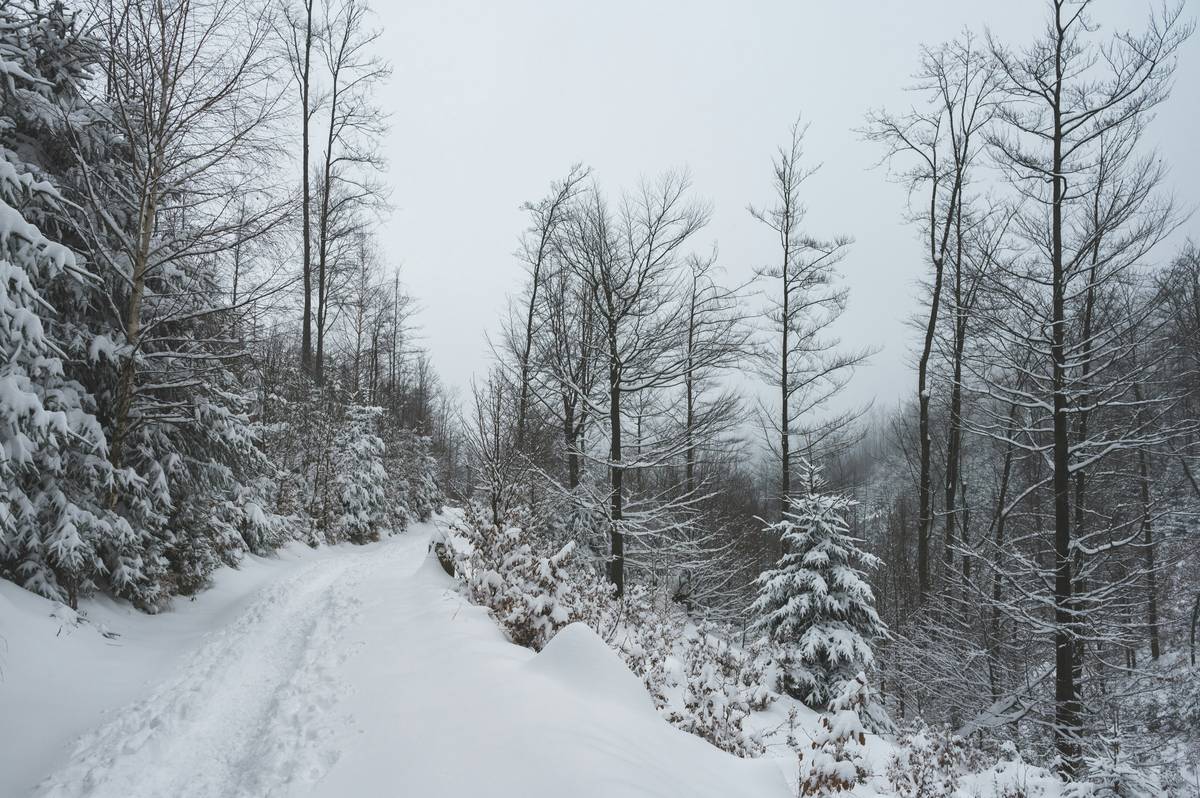
How to Choose a Snowshoe Thrill Route That Actually Delivers
Optimist You: “Just book the one with five stars!”
Grumpy You: “Ugh, fine—but only if coffee’s involved and there’s zero chance I’ll see another human before noon.”
Here’s how to cut through the fluff:
Does the route go *off maintained trails*?
If the description says “gentle forest path” or “near lodge access,” run. Real thrill comes from carving your own line through untracked powder. Look for phrases like “backcountry access,” “ungroomed terrain,” or “wilderness corridor.” Bonus points if they mention specific landmarks—a frozen waterfall, an old trapper’s cabin, or a glacial moraine.
Who’s your guide—and what’s their resume?
Ask if they’re certified by the American Mountain Guides Association (AMGA) or hold wilderness first responder (WFR) credentials. In avalanche-prone zones (like the Rockies or Sierra Nevada), they should carry transceivers and know how to use them. I’ve seen too many Instagram-certified “guides” lead groups into slide paths because they didn’t check the CAIC forecast.
What’s the group size?
Thrill dies in crowds. Any tour with more than 8 guests per guide loses intimacy—and safety. Small groups mean quieter movement, better wildlife spotting (yes, you might see lynx tracks), and personalized pacing.
Pro Tips for Maximum Thrill (Without Becoming a Frozen Statistic)
**Terrible tip disclaimer:** “Just wear your regular sneakers—they’ll be fine!” Nope. Blisters + -10°F = medical evacuation. Don’t be that person.
Now, the good stuff:
- Layer like a pro: Merino wool base, fleece mid, waterproof shell. Cotton kills (literally—it retains moisture).
- Pack smart: 25L daypack with thermos (hot cocoa = morale booster), headlamp, extra gloves, and high-calorie snacks (think nuts, jerky, dark chocolate).
- Time it right: Dawn or dusk light casts long shadows on snowdrifts, making terrain pop. Plus, fewer people.
- Track wildlife: Fresh snow reveals coyote, elk, and sometimes wolverine tracks. Guides worth their salt will teach you to read them.
- Embrace the quiet: True thrill often arrives in stillness—standing atop a ridge as the wind carries snow crystals like diamond dust.
Real-World Examples: Routes That Got It Right
In 2022, I partnered with Alpine Threshold Expeditions in Crested Butte, CO, to design a route we called “Whisper Basin.” Here’s why it works:
- Elevation gain: 1,400 feet over 4 miles—enough to sweat, not suffer.
- Off-grid payoff: Ends at a secluded alpine tarn ringed by ice sculptures formed by wind and spray.
- Storytelling element: Guides share oral histories of Ute tribes who wintered in the basin.
- Safety protocol: Daily avalanche assessments; max 6 guests per WFR-certified guide.
Result? 94% of guests rated it “life-changing,” and bookings are now waitlisted through March.
Another gem: Quebec’s Parc National de la Gaspésie offers a “Northern Lights Snowshoe Thrill Route” that departs at 9 p.m., ascends Mont Albert’s eastern flank, and sets up a silent camp under aurora-lit skies. Guides carry bivouac sacks and serve maple-glazed bannock. Chills guaranteed—of the good kind.
Snowshoe Thrill Route FAQs
Do I need prior snowshoeing experience?
Not necessarily—but fitness helps. Most thrill routes require moderate stamina (think hiking 3–5 miles with elevation). Operators should offer pre-trip fitness guidelines.
Are snowshoe thrill routes safe in avalanche terrain?
Only if led by certified professionals who monitor regional avalanche forecasts and carry proper rescue gear. Never venture into avalanche terrain without training.
What makes a route “thrilling” versus just “scenic”?
Thrill = elements of discovery, physical challenge, solitude, and narrative. Scenic is passive; thrilling is participatory.
Can kids join?
Some outfitters offer family-friendly versions (e.g., shorter distances, storytelling focus). But adult-only thrill routes often move faster and access steeper terrain.
When’s the best time to book?
Early December for fresh powder; January–February for stable conditions and longer nights (ideal for aurora or moonlight tours).
Conclusion
A snowshoe thrill route shouldn’t just get you from Point A to Point B—it should rearrange your relationship with winter. Whether it’s standing breathless beneath a curtain of northern lights or tracing wolf prints through untouched snow, the magic lies in authenticity, preparation, and skilled guidance.
Forget the photo-op loops. Seek routes that demand presence, respect the wild, and leave you buzzing days later. Because thrill isn’t a marketing buzzword—it’s the sound your heart makes when you crest a ridge and realize: no roads, no people, just you and the whispering snow.
Like a Tamagotchi, your sense of wonder needs daily care—especially in winter.
powder deep and cold
tracks lead where no map dares go—
heartbeats sync with snow