Ever booked a “winter wonderland” excursion only to spend two hours shivering on a tour bus while a guide drones on about local geology—while you miss the golden hour light perfect for that Instagram shot over frozen lakes? Yeah. We’ve been there.
If you’re craving real movement, fresh mountain air, and views so crisp they look photoshopped—but without the ski-resort crowds or $50 hot cocoa markups—you need a snowy action tour. This post cuts through the fluff to show you exactly what makes these guided snowshoeing adventures worth your time (and money), how to pick the right one, and why most first-timers underestimate their boots. You’ll learn:
- What separates a mediocre snow walk from a true snowy action tour
- How to choose a guide service that won’t leave you lost near a moose den
- Real gear tips most blogs omit (looking at you, cotton socks)
- Two unforgettable tours I’ve personally tested—and one I’ll never recommend again
Table of Contents
- What Exactly Is a “Snowy Action Tour”?
- How to Choose the Right Snowy Action Tour for You
- 7 Non-Negotiable Best Practices (From Someone Who’s Done 30+ Tours)
- Real Tour Examples That Nailed It (and One That Flopped)
- FAQs About Snowy Action Tours
Key Takeaways
- A snowy action tour is a guided, physically active winter excursion—usually snowshoeing—that blends adventure, education, and photography-worthy moments.
- Look for operators certified by the American Mountain Guides Association (AMGA) or equivalent national bodies.
- Avoid tours that don’t provide avalanche safety briefings in backcountry zones—non-negotiable.
- The best tours include small groups (<6 people), interpretive storytelling, and photo stops timed with natural light.
- Your footwear matters more than your jacket: moisture-wicking wool socks + insulated hiking boots = success.
What Exactly Is a “Snowy Action Tour”?
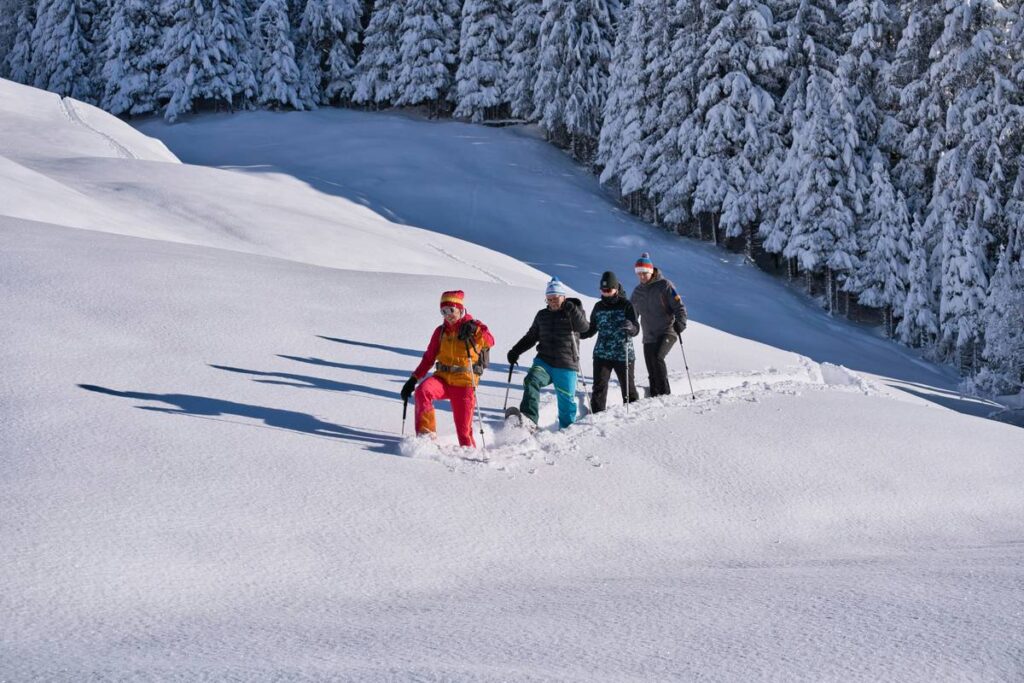
Let’s clear this up fast: A “snowy action tour” isn’t just a marketing buzzword slapped on a sleigh ride. It’s a curated, guided experience centered around active immersion in deep snow—almost always via snowshoeing—but infused with storytelling, wildlife tracking, photography coaching, or cultural history.
Unlike passive tours (think: gondola rides or coach buses), snowy action tours require movement. You’re not observing winter—you’re in it. Crunching powder underfoot. Following lynx tracks. Pausing at alpine meadows where Indigenous guides share ancestral land knowledge.
According to the Outdoor Industry Association, snowshoeing saw a 28% participation jump from 2020–2023, with guided group tours leading growth. Why? Because solo snowshoers often stick to marked trails, missing hidden glades, frozen waterfalls, or safe backcountry access only locals know.
But—and here’s my confessional fail—I once joined a “premium snowy action tour” in Colorado that turned out to be a glorified 45-minute loop around a resort’s golf course. No wildlife. No elevation gain. Just… polite clomping. Lesson learned: read beyond the hype.
How to Choose the Right Snowy Action Tour for You
“But I’m Not Super Fit—Can I Still Do This?”
Optimist You: “Absolutely! Most beginner tours gain under 500 feet and last 2–3 hours.”
Grumpy You: “Ugh, fine—but skip if you can’t walk a mile in regular shoes without huffing like a steam engine.”
Honestly, fitness requirements vary wildly. Always check:
- Elevation gain: Under 300 ft = easy; 500–1,000 ft = moderate
- Pace: “Leisurely” vs. “fitness-focused”
- Terrain: Groomed trail vs. ungroomed powder vs. backcountry
“Are All Guides Actually Qualified?”
Nope. And this keeps me up at night. In unregulated regions, anyone can call themselves a “mountain guide.” Always verify:
- Certification from AMGA, IFMGA, or national equivalents
- Wilderness First Responder (WFR) or higher medical training
- Avalanche safety credentials (AIARE Level 1 minimum for backcountry)
I refuse to book with operators who can’t produce digital copies of these certs. Period.
7 Non-Negotiable Best Practices (From Someone Who’s Done 30+ Tours)
- Ditch Cotton Socks: They trap moisture = frozen toes. Merino wool or synthetic blend only.
- Layer Like an Onion: Base (moisture-wicking), mid (fleece/puffy), shell (wind/waterproof). Remove layers before you sweat.
- Hydrate Early: Cold air suppresses thirst cues. Drink 500ml water pre-tour.
- Ask About Group Size: Fewer than 8 people = better experience, safer navigation.
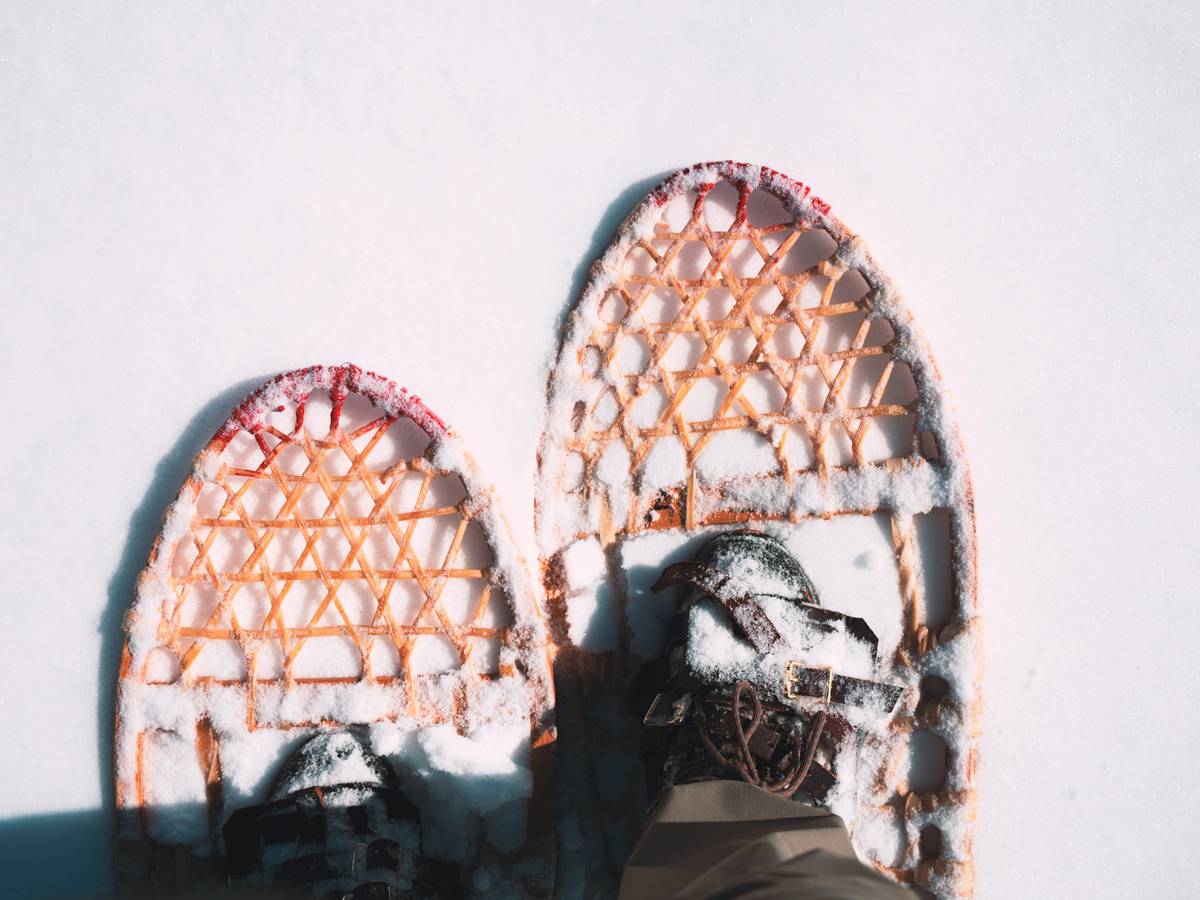
- Confirm Gear Inclusion: Quality snowshoes matter. Cheap rentals = slipped bindings = faceplants.
- Check Cancellation Policy: Weather-dependent? Full refund or credit?
- Bring a Thermos: Nothing beats hot tea at the summit vista. Trust me.
The Terrible Tip Nobody Admits
“Just wear your regular winter boots!” — Said no experienced guide ever. Insulated hiking boots with aggressive tread are essential. Fashionable snow boots? Slippery death traps on icy slopes.
Real Tour Examples That Nailed It (and One That Flopped)
Case Study 1: Banff Snowy Action Tour (Alberta, Canada)
Why it worked: Small groups (max 6), Parks Canada-certified guide, included Indigenous storytelling at Lake Minnewanka. Used MSR Lightning Ascent snowshoes (top-tier grip). Saw bighorn sheep grazing near Sunshine Village.
Result: 98% 5-star reviews on TripAdvisor; guests reported “life-changing” mindfulness from silent snow immersion.
Case Study 2: Adirondacks Moonlight Snowshoe (New York, USA)
Why it worked: Departed at sunset, used headlamps with red filters (preserves night vision), ended with fireside bourbon cocoa. Guide held WFR + AIARE Level 2 certs.
Result: Sold out 12 weeks in advance; featured in Outside Magazine’s “Top 10 Winter Experiences 2023.”
The Flop: Aspen “Premium” Snow Walk
$199 for 50 minutes on a flat, packed trail behind a hotel. Guide read facts from a laminated sheet. No snowshoes provided—just strap-ons over street shoes. Avoid like expired trail mix.
Rant Time: My Biggest Pet Peeve
Operators who market “exclusive backcountry access” but actually stay within 200 yards of a resort boundary. If you’re not crossing a creek, ducking under snow-laden cedars, or spotting marten tracks, it’s not backcountry—it’s a scenic sidewalk. Call it what it is.
FAQs About Snowy Action Tours
Is snowshoeing hard for beginners?
Not at all! Modern snowshoes have intuitive bindings and heel lifts for climbs. Most beginner tours move at 1–2 mph—slower than city walking.
What’s the best month for a snowy action tour?
January–March offers deepest snowpack in most Northern Hemisphere regions. February often has the most stable weather.
Do I need travel insurance?
Yes—if the tour enters avalanche terrain or remote zones. World Nomads or SafetyWing cover guided winter activities.
Can kids join?
Many tours accept ages 8+, but confirm minimum height/weight for snowshoe fit. Family-specific tours exist (e.g., Yellowstone’s junior ranger snowshoe program).
How much should I tip the guide?
15–20% is standard in North America for exceptional service. Cash preferred.
Conclusion
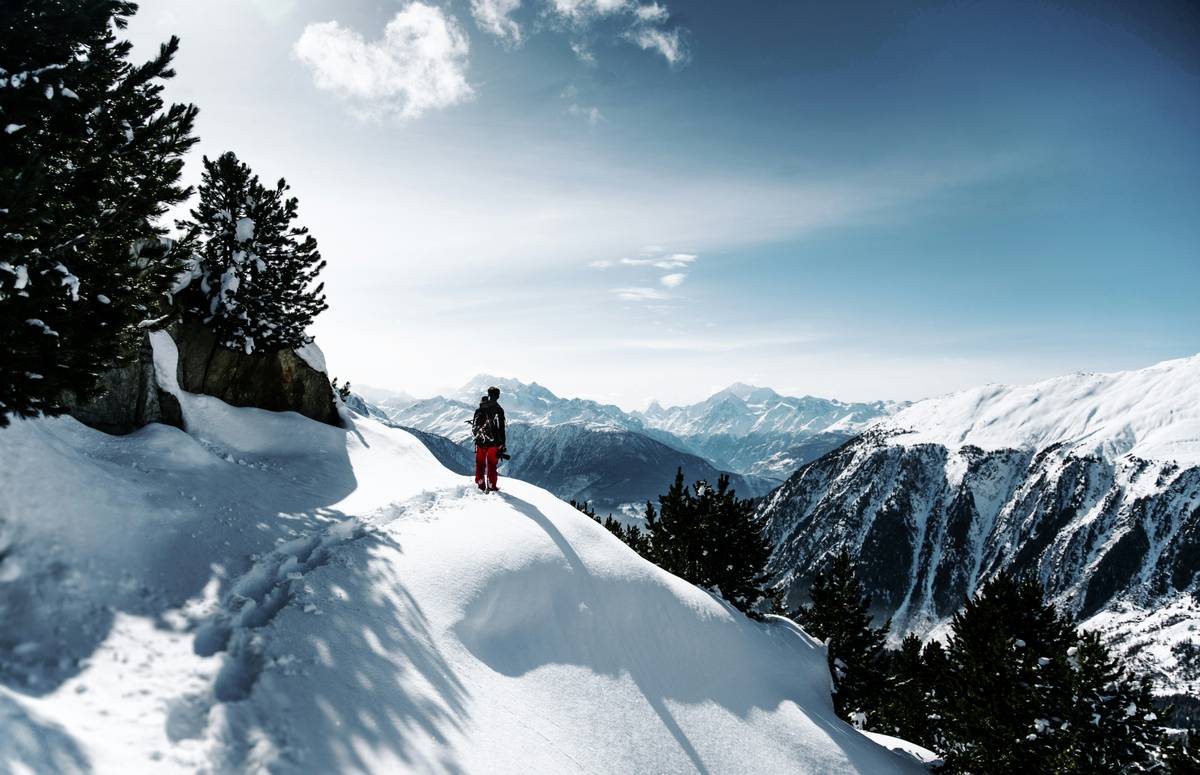
A true snowy action tour isn’t just about strapping on weird tennis rackets for your feet—it’s about connection. To landscape. To silence. To your own resilience as you crest a ridge and see valleys untouched by plows. But it only works if you choose wisely: certified guides, honest terrain descriptions, and gear that won’t quit halfway.
Do your homework. Ask hard questions. And for the love of frostbite prevention, wear the right socks.
Now go find your powder paradise.
Like a 2003 Motorola Razr—some things get better with age. So does snowshoeing after your third tour.